10 Things to Bring to a Meeting With Your Creative Team

Whether you’re in the market for a brochure or billboard, new company headshots or product photos, a fundraising video or a whole new website, the first step is always a convergence with your creative team. These collisions of ideas are where amazing things are born! We'll bring the wild possibilities, and here are a few things you can bring that will make that first creative meet-up much more productive — regardless of the service you’re hiring for.
1. The Problem You’re Hoping to Solve
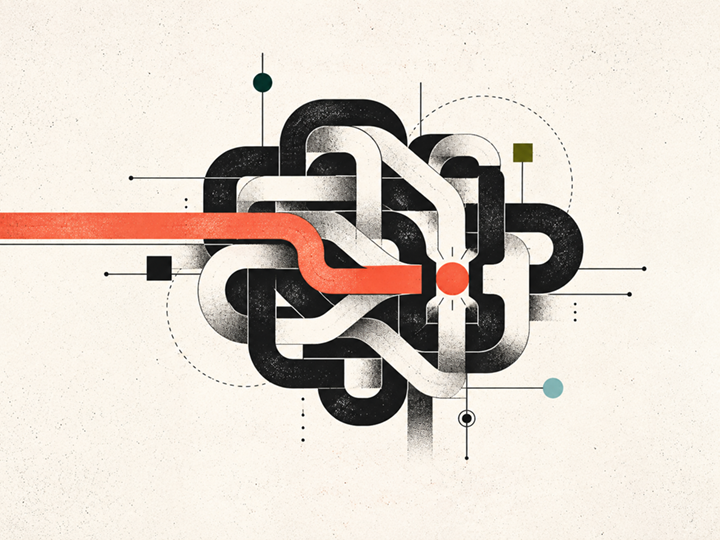
Tell us what prompted the project.
Maybe your website is outdated and too hard to navigate.
Maybe customers keep overlooking an important service.
Maybe your social media is total crickets.
Maybe you need actual photos of your facility and what you do because stock imagery is inaccurate.
Maybe people see your branding and assume you’re something you’re not.
The more clearly your creative team understands the problem behind the project, the better equipped we are to help solve it.
Sometimes that means creating exactly what you originally had in mind.
Sometimes it leads somewhere better.
2. The Result You’re Hoping to See

Tell us what you want to be different when the project is finished.
Do you want more people to book appointments?
Do you want customers to understand your services faster?
Do you want your company to look more established?
Do you want prospective employees to get a better sense of your culture?
Do you want people to recognize your content before they even see your logo?
You don’t necessarily need hard numbers. Even knowing how you want someone to think, feel or act after seeing the work can give a creative team useful direction.
3. Where the Work Will Live
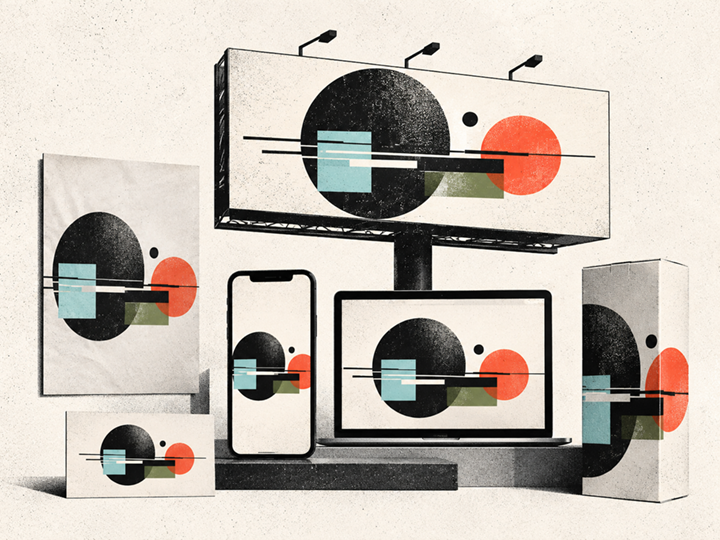
We want to know where the finished work is intended to appear AND everywhere else it might appear.
A logo may be created for storefront signage, but it will also need to be usable on your social media profile — and those require different things.
A photo requested for a website might also end up on a billboard.
A video may need to work horizontally on your website and vertically on social media.
A graphic may need to look good on a phone screen and still be readable when printed as a poster.
Even if you aren’t using it everywhere right now, knowing how the work may be used later allows us to plan for those possibilities from the beginning.
4. Examples of What You Want or Like

Pinterest boards are great. So are screenshots, photos, saved posts, URLs, physical printed pieces and products, and random things you spotted somewhere and thought were interesting.
You can even bring an AI-generated concept if it helped you visualize something you were having trouble putting into words.
Just make sure to include one very important thing:
Tell us what you like about it.
You may love the colors in one example.
You may like the mood of a photograph.
You may love how clean and simple a website feels.
A collection of references tells us what caught your eye.
Knowing why it caught your eye tells us much more.
And your examples do not have to look alike. Sometimes the common thread between a handful of completely different references is exactly what helps us understand what you’re drawn to.
5. And Examples of What You DON’T Want or Like
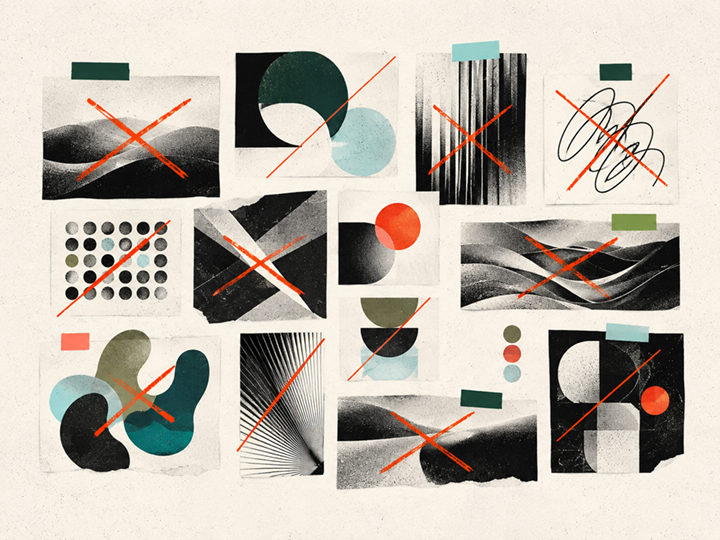
The opposite can be just as useful.
Maybe there’s a popular style in your industry that you absolutely do not want to resemble.
Maybe certain colors feel too close to a competitor.
Maybe you’ve had a particular visual style for years and you’re ready to move away from it.
Maybe a certain kind of copy sounds too formal for your company.
You don’t need to compile an enormous collection of things you hate.
A few examples can simply help establish the boundaries of the project.
And again, tell us why.
“I don’t like this” is useful.
“This feels too polished and corporate for us” is even better.
6. The Non-Negotiables and the Nice-to-Haves

Every project has constraints and preferences.
It helps enormously to know which is which.
A legal disclaimer may be a non-negotiable.
A particular shade of blue might just be something the owner really likes.
A sponsor logo may be required.
A particular photograph may simply be everyone's favorite.
You may absolutely need to retain part of an existing brand identity but only prefer to keep another part.
Tell us what cannot change, what needs to be included and where there is flexibility.
When everything is treated as equally important, it can be difficult to know where there is room to explore.
Knowing the difference between “this has to be here” and “we’d love this if it works” can open up a lot of possibilities.
7. Honesty
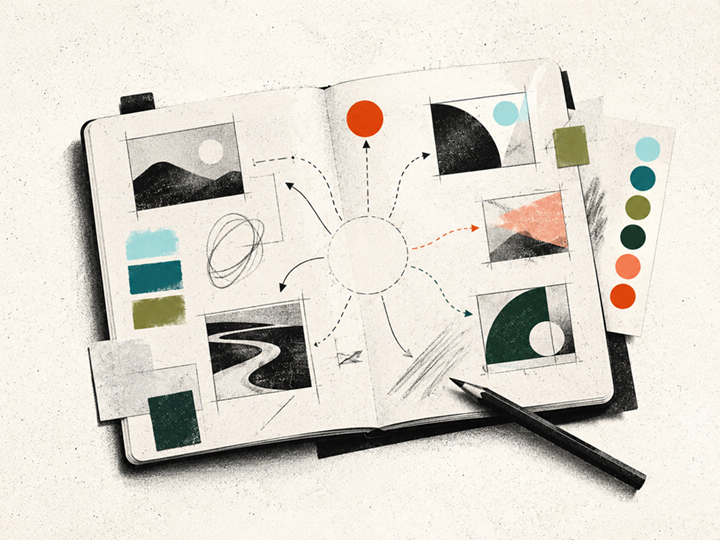
You do not have to pretend you know what you want.
Really.
One of the most useful things you can bring into a creative meeting is the willingness to say:
“I’m not sure.”
“I like this, but I don’t know why.”
“I thought I wanted this direction, but now I’m second-guessing it.”
“I know what I don’t want, but I don’t know what the alternative is.”
“I have no idea what kind of photography we need.”
“I know something isn’t working, but I can’t put my finger on what it is.”
That is all usable information.
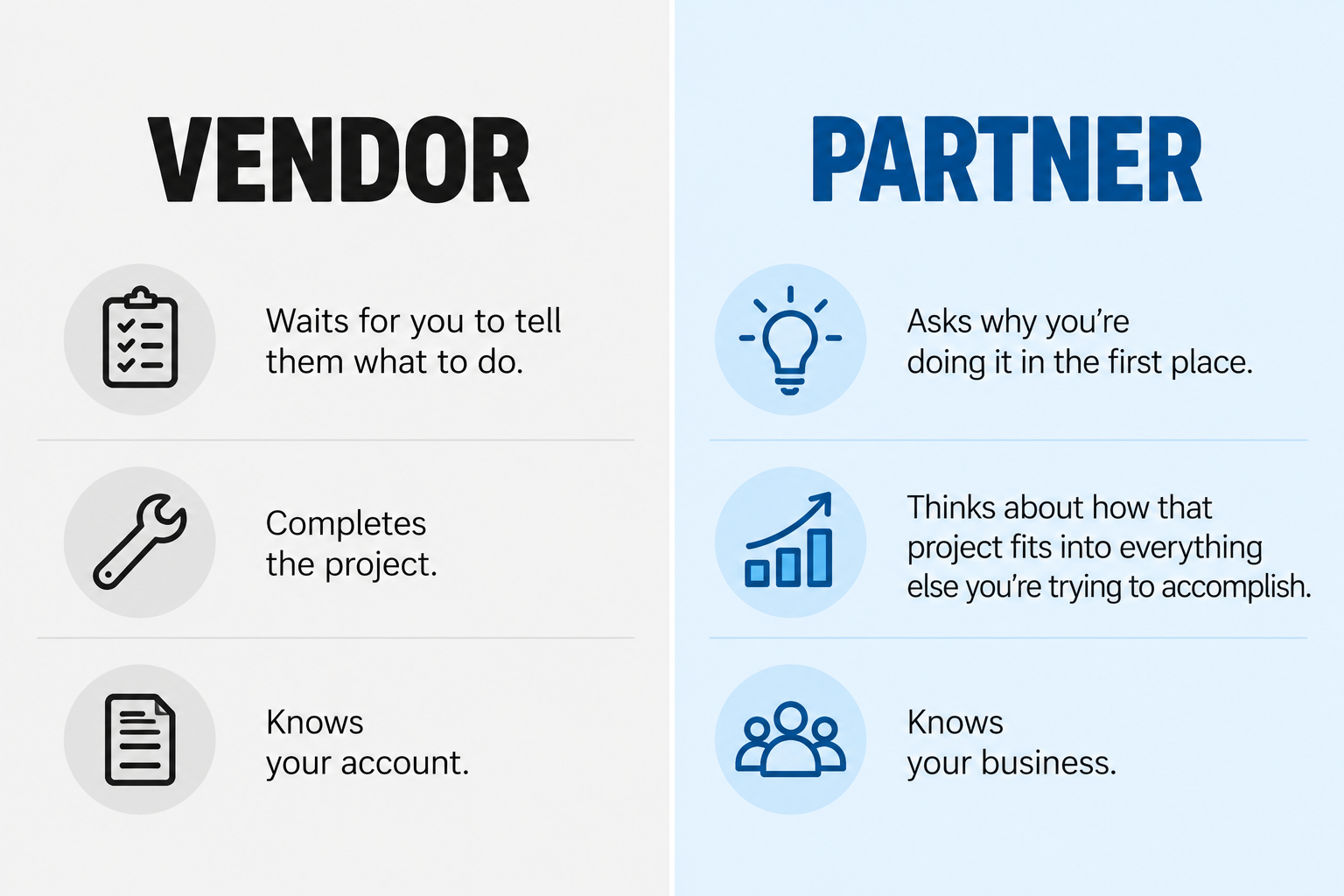
You know your business.
We know how to find creative solutions.
8. The People Who Aren’t in the Room
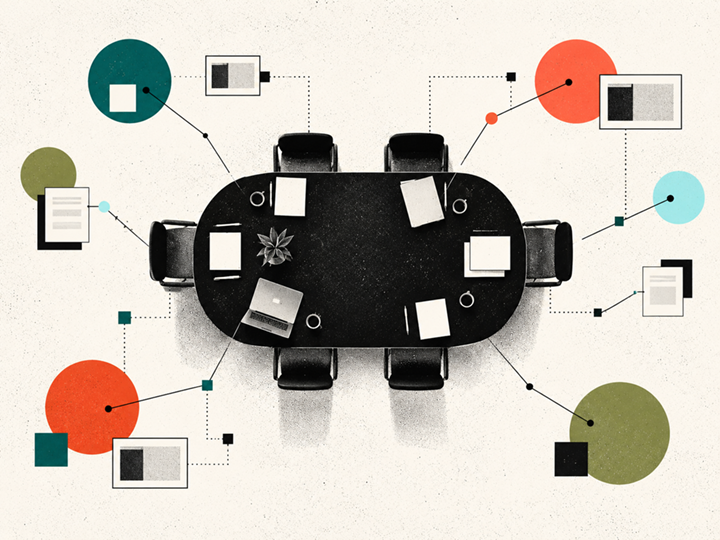
Who else will eventually have a say?
Maybe the person meeting with us is not the final decision-maker.
Maybe the owner needs to approve everything.
Maybe a board will review it.
Maybe a national office has brand requirements.
Knowing that early matters.
It doesn’t mean everyone needs to attend every meeting or participate in every decision.
It simply allows the creative team to understand how approvals will happen and who the finished work ultimately needs to satisfy.
If there are strong internal opinions, historical sensitivities or previous creative projects that went particularly well — or particularly badly — those can be helpful to mention too.
9. The Things That May Feel Too Small to Mention

Bring these anyway.
Sometimes they are the most interesting part.
Maybe customers always comment on an old sign hanging in your lobby.
Maybe everyone in town knows your building because of its unusual roof.
Maybe your founder had a saying everyone at the company still uses.
Maybe customers frequently misunderstand one part of your service.
Maybe there’s an inside joke, piece of history, customer habit or quirky little detail that seems completely unrelated.
Tell us anyway.
Those details help us understand the actual personality of your business.
They may never appear literally in the finished work.
But they may influence it in ways you didn’t expect.
10. A Little Room for Surprise
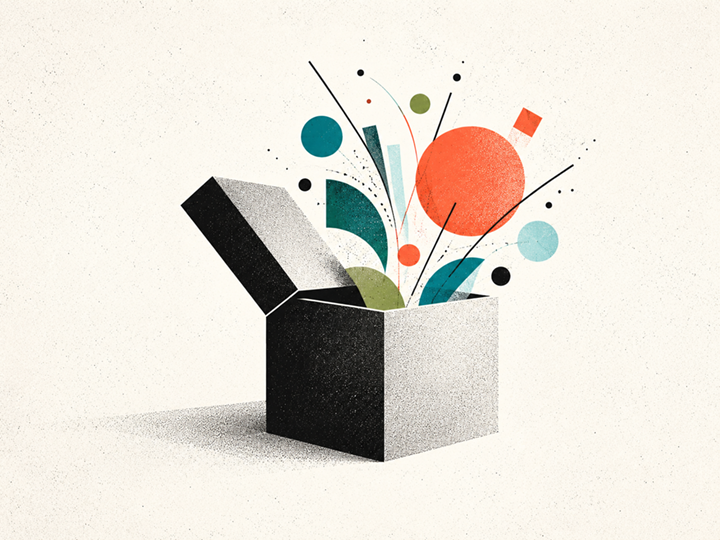
You should absolutely walk into a creative project with goals, ideas, preferences and boundaries.
But try not to arrive with every answer already locked in.
One of the reasons to bring in a creative professional is to get another perspective.
We may see a visual solution you hadn’t considered.
We may find a better location than the one you planned.
We may hear something during an interview that changes the direction of the whole piece.
We may notice that the thing you thought was the problem isn’t actually the problem at all.
That doesn’t mean giving up control of your project.
It means leaving enough space for collaboration to do what collaboration is supposed to do.
Bring the Pinterest board.
Bring the screenshots.
Bring the AI mockup.
Bring the napkin sketch.
Then leave just enough room for a surprising twist.
Get started today!
Schedule your Intro Call with our team.